Undernourished and malnourished populations require timely, accurate, and continuous support. Yet many nutrition and humanitarian programmes—whether routine, preventive, or emergency-focused—still rely on paper-based tools or fragmented digital systems. This makes it difficult to reliably track beneficiaries, manage follow-up, and maintain the operational visibility needed for effective programme oversight.
IASO addresses these challenges by providing a flexible digital platform for beneficiary tracking and programme workflows, adaptable to a wide range of nutrition and social support interventions. While initially developed to strengthen nutrition programmes, IASO is designed to support any beneficiary-centred programme, at community, facility, or emergency-response level.
Developed in collaboration with the World Food Programme, IASO has notably been used to support CODA 2.0, a system designed to track children under five and pregnant or breastfeeding women. This implementation illustrates IASO’s capacity to handle complex, high-volume beneficiary workflows, while remaining configurable for other programme models and contexts.
Digital beneficiary profiles for longitudinal follow-up
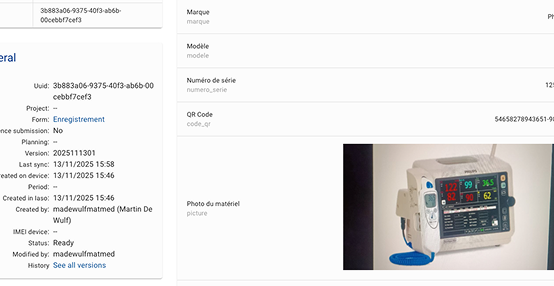
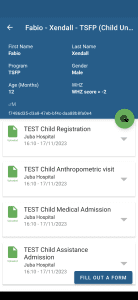
IASO introduces entities: digital profiles that represent individual beneficiaries or households. Each entity aggregates identification data, programme enrolment, visit history, and key indicators over time. This structure enables reliable longitudinal follow-up across locations, service points, and programme cycles.
Entities can be configured to match different programme needs, including:
-
nutrition screening, treatment, and supplementation
-
community health activities and household follow-up
-
cash or voucher assistance in disaster or displacement settings
-
integrated health, nutrition, and social protection programmes
IASO supports both online and offline data collection, making it suitable for stable settings as well as low-connectivity or emergency environments.
Configurable workflows for diverse programme models
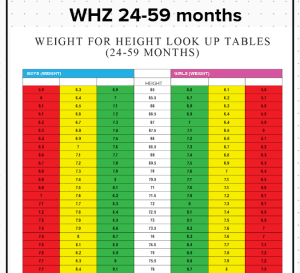
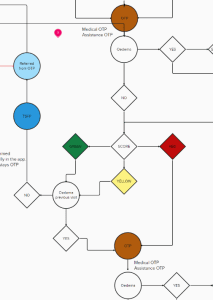
IASO supports configurable workflows that guide field teams based on programme-specific logic and thresholds. In nutrition programmes, workflows may trigger alerts based on MUAC or WHZ measurements, assign beneficiaries to appropriate care pathways, and schedule follow-up visits.
The same workflow mechanisms can be adapted to other beneficiary-tracking use cases, such as eligibility verification, cash transfer enrolment, distribution tracking, or compliance monitoring. This flexibility allows IASO to align with national guidelines, partner protocols, or evolving emergency response strategies without hard-coded assumptions.
Data quality, duplicates, and accountability
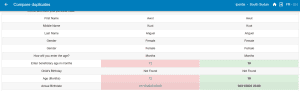
Large-scale beneficiary programmes often face challenges related to duplicate records, population mobility, and multiple entry points. IASO includes tools to compare, validate, and merge duplicate entities while preserving data history.
These mechanisms improve data reliability, support accountability, and enable more accurate reporting—whether the programme focuses on nutrition outcomes, community health services, or humanitarian assistance.
Continuity of services across settings
IASO supports optional technologies such as NFC cards to facilitate beneficiary identification and continuity of care or assistance across visits and locations. Stored information may include programme assignment, key indicators, service or distribution history, and follow-up status.
This functionality is particularly valuable in disaster or displacement contexts, where continuity of support across sites and partners is critical.
Integrated reporting and analytics
Data collected through IASO can be connected to systems such as DHIS2 and to external business intelligence tools. This enables dashboards, automated reports, and multi-source analyses that support monitoring at community, district, and national levels.
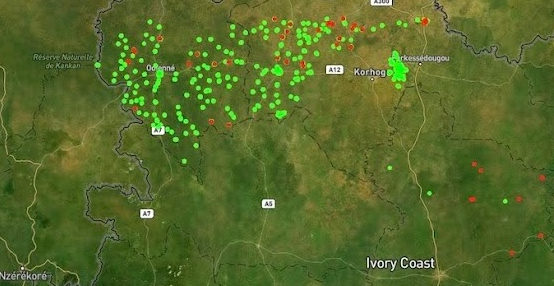
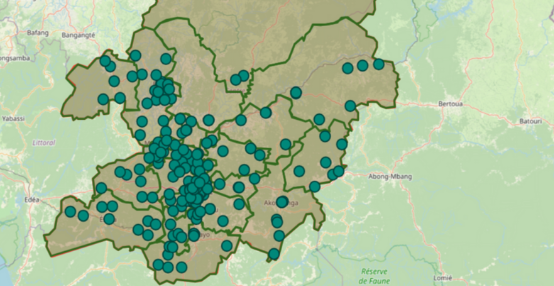
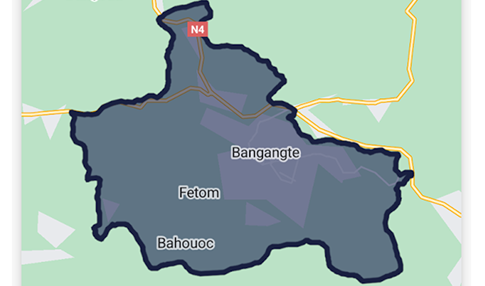
Programme managers gain timely visibility into coverage, follow-up status, operational gaps, and geographic disparities, supporting adaptive management across programme types.
A flexible foundation for beneficiary-centred programmes
By combining adaptable beneficiary tracking, configurable workflows, and interoperable analytics, IASO provides a durable digital foundation for nutrition programmes and other beneficiary-centred interventions. It supports continuity across routine services and emergency responses, enabling programmes to evolve while maintaining reliable data, operational clarity, and equitable reach.