The global fight against HIV relies on high-quality and actionable data. However, many health programs still struggle with fragmented systems, manual data entry errors, and a significant lack of real-time visibility into complex individuals journeys. IASO provides a modular and open-source platform able to centralize HIV data. It enables health organizations to track longitudinal records of people living with HIV, manage critical supplies, and visualize progress through advanced geospatial features.
Centralized data management for HIV programs
Effective HIV programs require a single source of truth to manage complex clinical workflows, from the initial screening and antiretroviral therapy initiation to long-term viral load monitoring. IASO allows for a more holistic view of the epidemic and a more efficient allocation of resources across the health system.
Longitudinal people living with HIV tracking and cohort management
Tracking an individual’s health over time is critical for ensuring treatment adherence and long-term retention in care. IASO facilitates unique identification through the use of QR codes or mobile-based biometrics, such as face and iris recognition, which allows teams to track individuals across different health facilities without the risk of duplication. The platform uses an entity-based tracking system where each beneficiary is represented as a unique entity, providing a comprehensive view of their medical history and treatment milestones. To further improve outcomes, IASO supports workflow automation where next steps are configured based on clinical indicators, ensuring that people living with HIV who miss appointments or require follow-up tests are immediately flagged for community outreach.
Georegistry and digital microplanning for targeted outreach
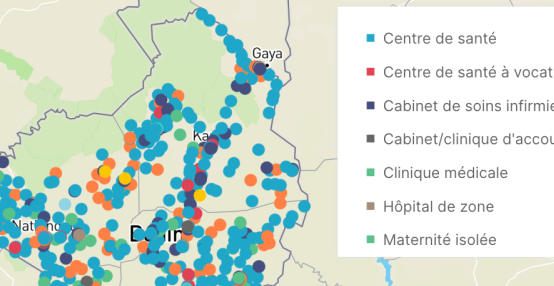
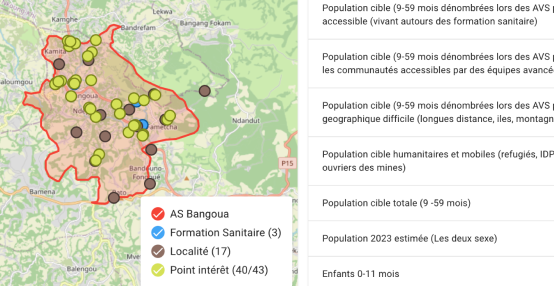
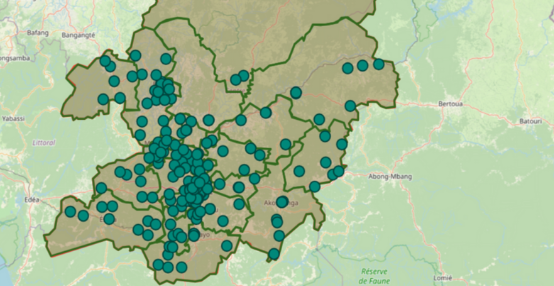
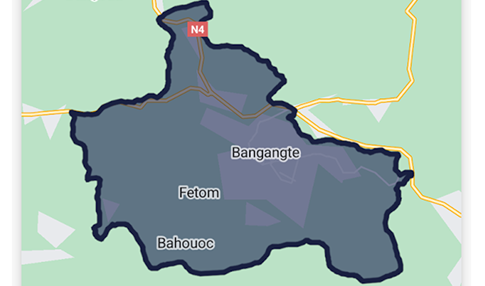
To reach underserved populations, HIV programs must have precise knowledge of where their services are delivered. IASO features an advanced georegistry that manages a centralized database of health facilities and community sites with exact GPS coordinates. This foundation enables digital microplanning, allowing organizations to transition from scattered Excel files to a real-time platform where field teams are assigned to specific geographic areas based on population density and disease prevalence. Even in areas with no internet connectivity, the platform’s offline GIS capabilities allow field agents to collect data and navigate to remote households, with all information syncing automatically once a connection is restored.
Technical features designed for field reality
IASO is built to withstand the operational challenges of public health interventions in resource-constrained settings. Its technical architecture prioritizes flexibility and seamless interoperability with existing global standards to ensure long-term sustainability.
Interoperability with DHIS2 and global standards
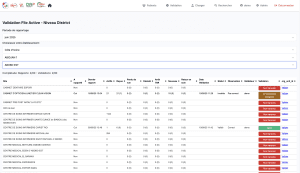
Since most national health systems rely on DHIS2 for aggregate reporting, IASO bridges the gap between individual-level tracking and national indicators through bi-directional integration. This allows health officials to push field-collected data to DHIS2 or pull existing health facility data into IASO for strategic planning purposes. As a recognized Digital Public Good, IASO offers transparency and prevents vendor lock-in for Ministries of Health. Furthermore, the platform is built with robust security protocols to protect sensitive individuals information, ensuring full compliance with international data privacy regulations and GDPR standards.
Advanced analytics and real-time dashboards
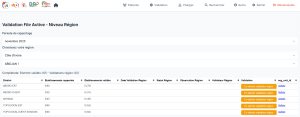
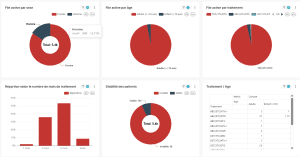
Data only becomes truly valuable when it informs decision-making through clear visualization. IASO’s integration with analytical tools like OpenHEXA allows for sophisticated data processing and the creation of custom dashboards. These dashboards enable program managers to monitor key performance indicators, such as viral suppression rates or ART stock levels, across districts in near real-time. High-frequency updates provide immediate visibility into field activities, allowing for rapid course correction when necessary. This also extends to logistics, where the supply chain for HIV test kits and medications can be managed within the same platform to significantly reduce the risk of stockouts.
Proven impact across health verticals
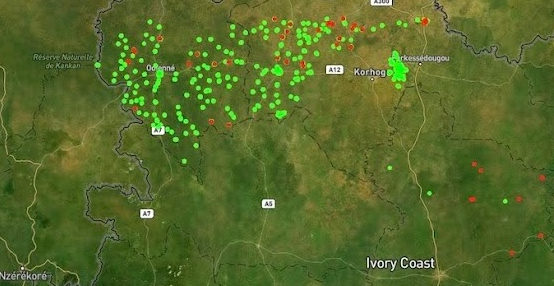
While IASO is highly adaptable, its success in large-scale public health campaigns demonstrates its readiness for complex HIV data tracking needs. In Côte d’Ivoire, for example, the platform was used to register millions of households for health interventions, proving its capacity to handle massive datasets with high accuracy. Similar to nutritional follow-ups where specific measurements trigger clinical workflows, HIV programs can leverage IASO to automate reminders for treatment refills or viral load testing. Throughout these projects, Bluesquare focuses on collaborative learning and in-country capacity strengthening, ensuring that local stakeholders are fully trained to manage and update the system independently for future cycles.