A unified national system to consolidate HIV data
IASO unifies and secures fragmented data of people living with HIV while adapting to on-the-ground realities and needs.
Unifying data from multiple sources
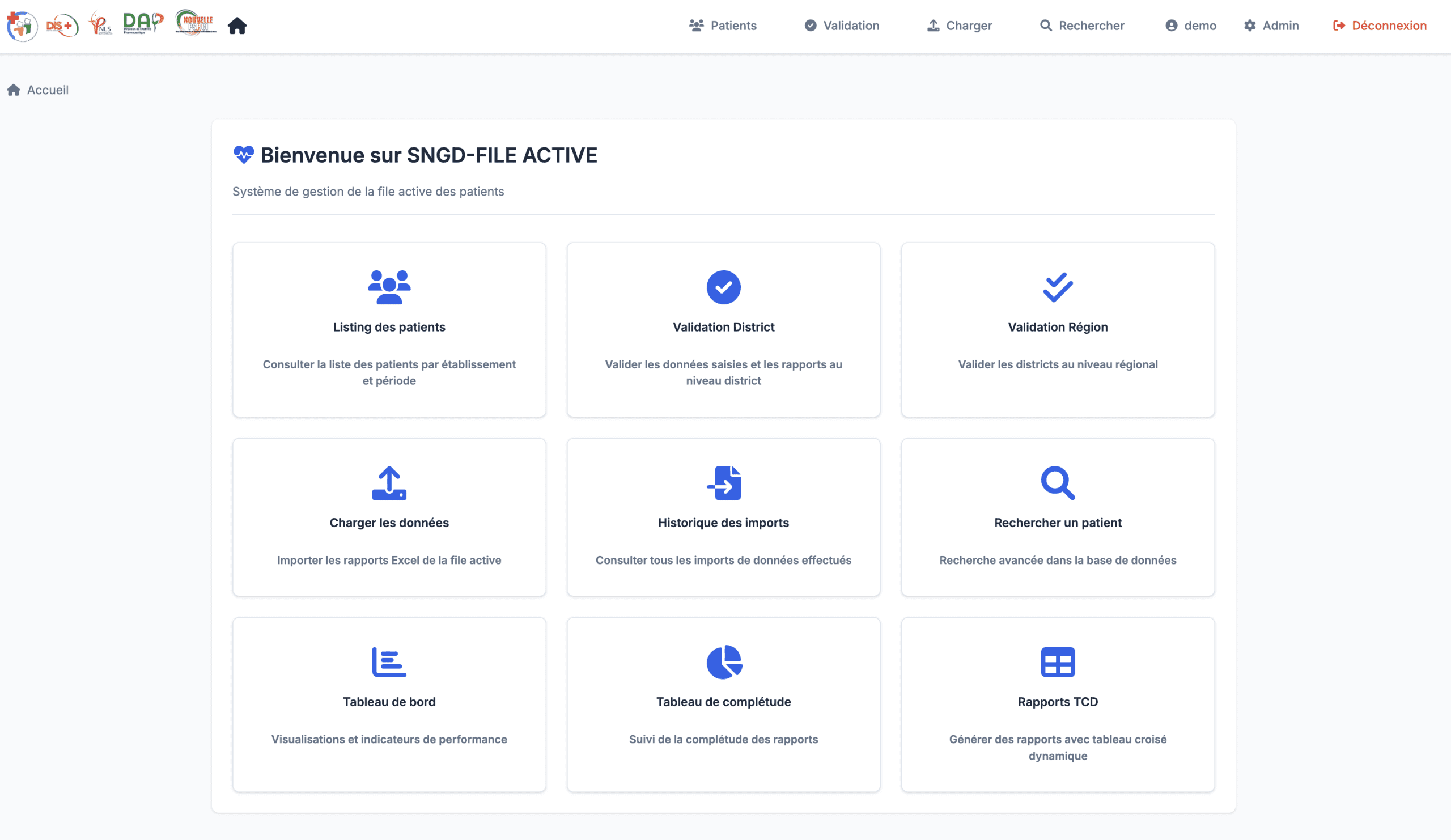
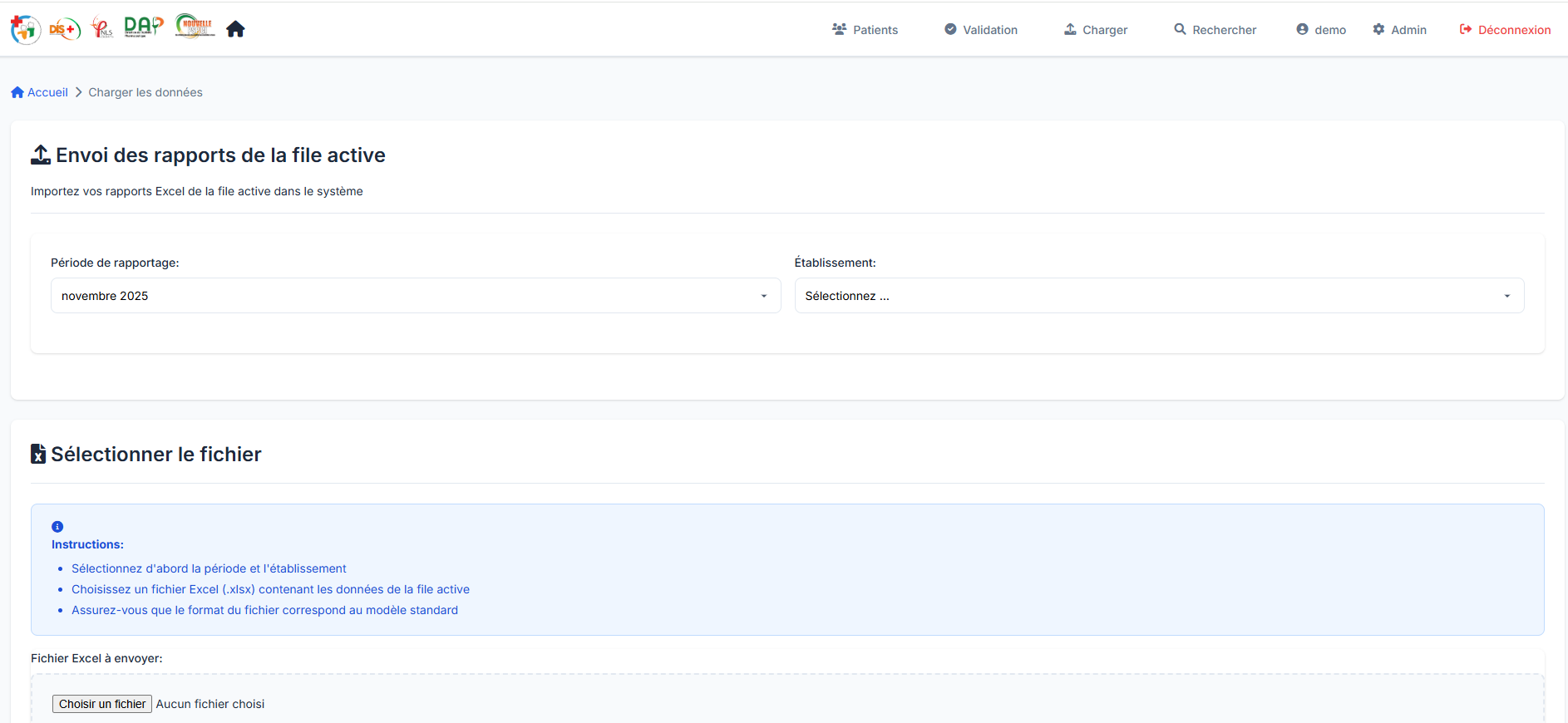
The File Active tool centralizes data from several national institutions, often produced as heterogeneous Excel files.
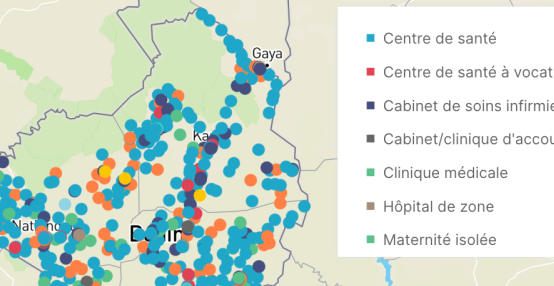
With IASO, data can be collected both online and offline, making the work of healthcare teams easier. Entered data are automatically disaggregated by service delivery site and by key indicators (age, sex, HIV type, people living with HIV stability, treatment line, etc.). An integrated duplicate detection system ensures the uniqueness and consistency of information, even when multiple data sources cover the same period. This systematic structuring of data—previously manual and time-consuming—becomes automatic and seamless.
As a result, each people living with HIV’s medical follow-up is reliable and centralized, enabling informed decision-making, improved quality of care, and more effective management of health programs.
A secure and scalable national database
At the heart of the system is a centralized national database that complies with best practices for protecting sensitive data. The objective is to ensure full confidentiality of health information.
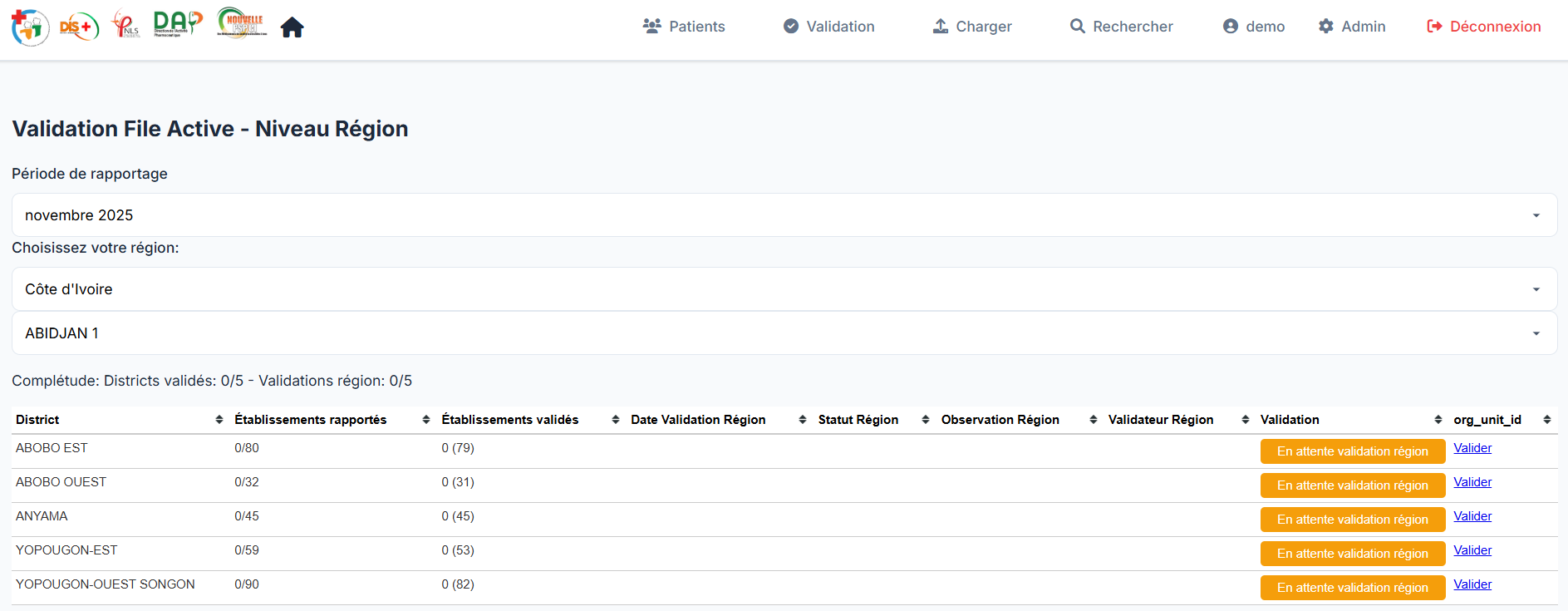
IASO provides secure hosting with regular backups. The platform can assign differentiated access rights, allowing authorized institutions (such as the Directorate of Health Information or the National AIDS Control Program) to access only the information relevant to their level.
IASO thus ensures a robust environment, essential for data as sensitive as those related to HIV.
From raw data to decision-oriented analyses
IASO is designed to support decision-making by turning data into actionable insights.
Dynamic dashboards for real-time monitoring
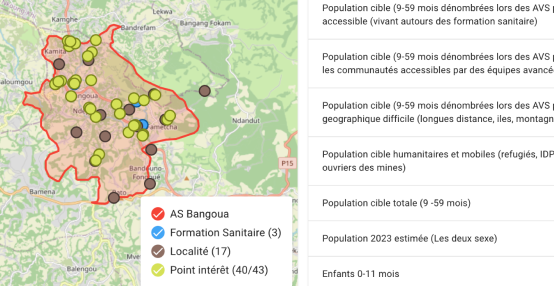
Interactive visualizations provide a clear and immediate view of care pathways, enabling:
-
rigorous monitoring of data completeness, ensuring a reliable view of each person living with HIV by region or by site;
-
in-depth analysis of people living with HIV situations across multiple dimensions, including treatment regimen, treatment line, TLD use, age, sex, HIV type, and more;
-
access to key indicators essential for national-level program management based on the person’s status, such as the number of new persons infected with HIV initiated on treatment, the proportion of people on TLD, and the distribution of months of drug dispensation.
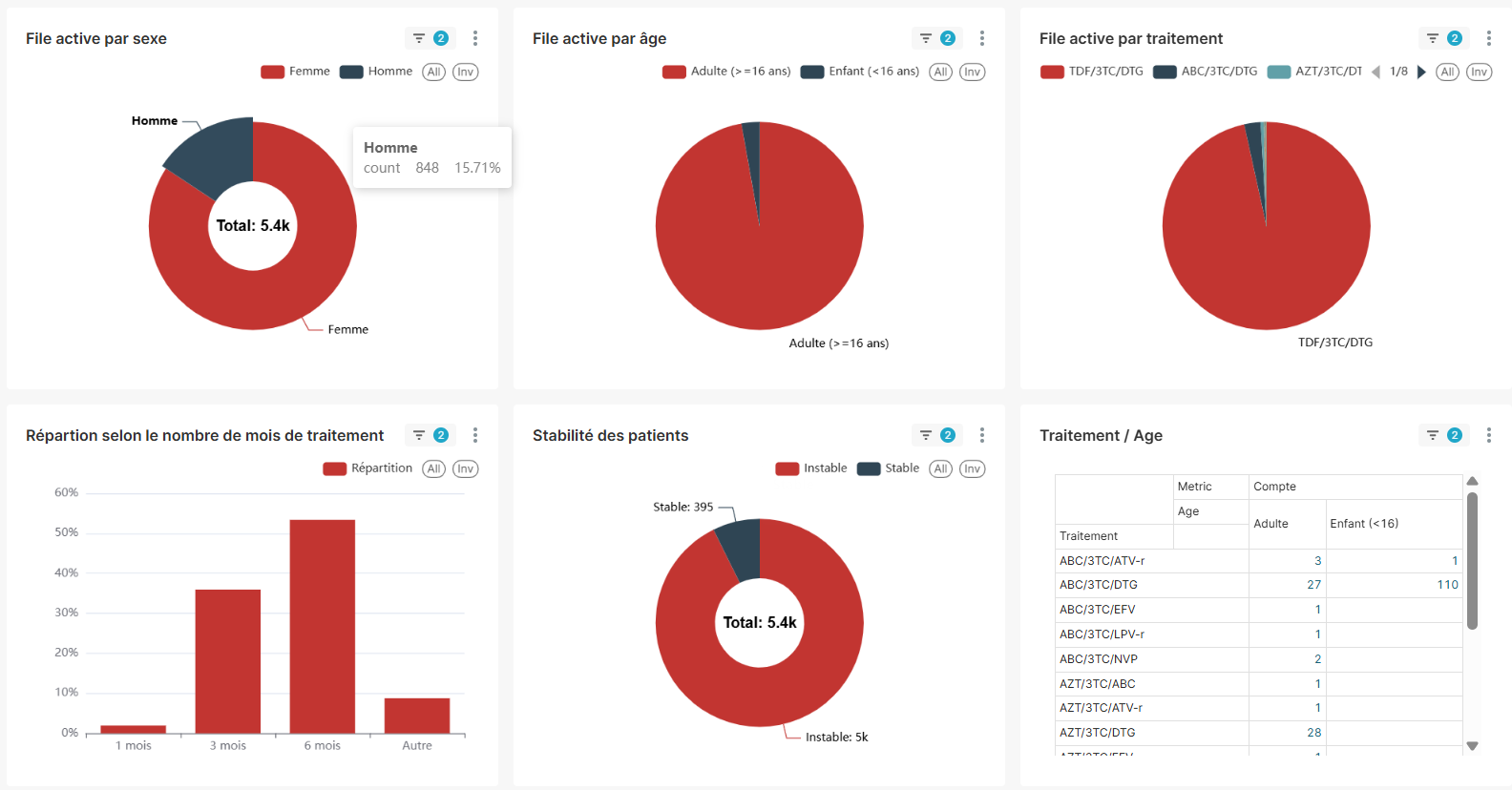
By consolidating data in real time, IASO enables much more responsive, data-driven health governance. Every person living with HIV-related decision is made in full continuity with previous care and tailored to the people living with HIV’s specific needs.
Automated alerts to maintain data quality
The functional architecture includes automatic alerts to improve the timeliness and quality of people living with HIV data reporting, ensuring up-to-date and reliable information throughout the care continuum. This includes: regular reminders to facilities (university hospitals, regional hospitals, general hospitals, and Primary Contact Health Facilities) to ensure data submission; notifications of delays, anomalies, or data completeness gaps to prevent disruptions in medical follow-up; and consolidated monitoring of performance by site and by region, contributing to better continuity of care and more responsive, coordinated management of people living with HIV.
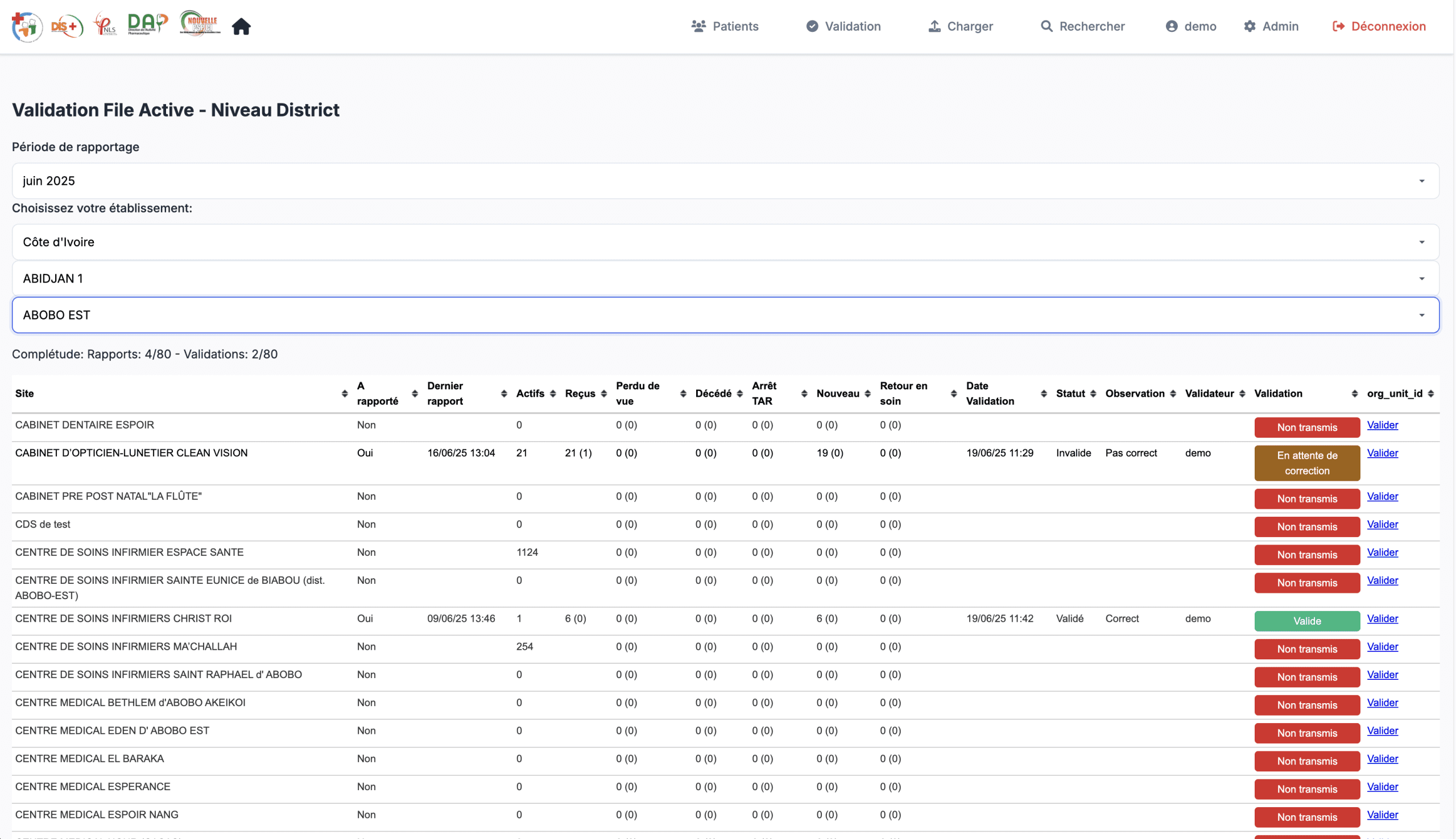
Healthcare staff thus move from reactive to proactive data management, enabling continuous improvement and better coordination of the care pathway.
An architecture designed for operational realities
The system supports people living with HIV follow-up regardless of the point of care, whether at a referral hospital or a primary contact health facility. IASO adapts to the constraints of different levels of the health system. Data collection remains possible even in low-connectivity areas, the interface is intuitive and aligned with healthcare workers’ daily practices, and synchronization occurs automatically as soon as connectivity is available.
Together, these elements form a continuous loop feeding the national File Active database, which becomes the single backbone for HIV data management at the national level.
Want to learn more about IASO? Contact us